
Why does the scalp itch more in winter than in summer?
Unlike in summer, several factors in winter make life difficult for a sensitive scalp, causing it to dry out. And once dry, it feels tight and itchy. Dandruff also increases.
One of the main culprits is the general winter climate, as the dry, cold air deprives the scalp of its natural moisture. This is literally “fueled” by the dry air from central heating that we have everywhere indoors at this time of year. Long, hot showers only make matters worse.
Seven expert tips to avoid itchy scalp in winter
To prevent itching this winter and ensure that the snowflakes only fall from the sky and not from your head, our M:ID expert Dr. Thomas Welss has compiled the seven most important tips.
1. Massage gently instead of scratching.
As tempting as it may be, avoid scratching itchy areas. This can damage the scalp and lead to further irritation. It’s better to gently massage away the itch with your fingertips. This also stimulates blood circulation, allowing the scalp to regenerate more quickly.
2. Opt for gentle cleansing.
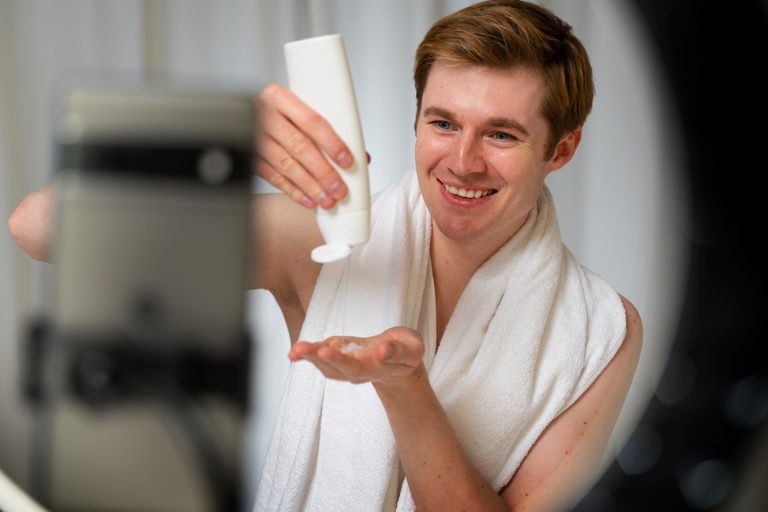
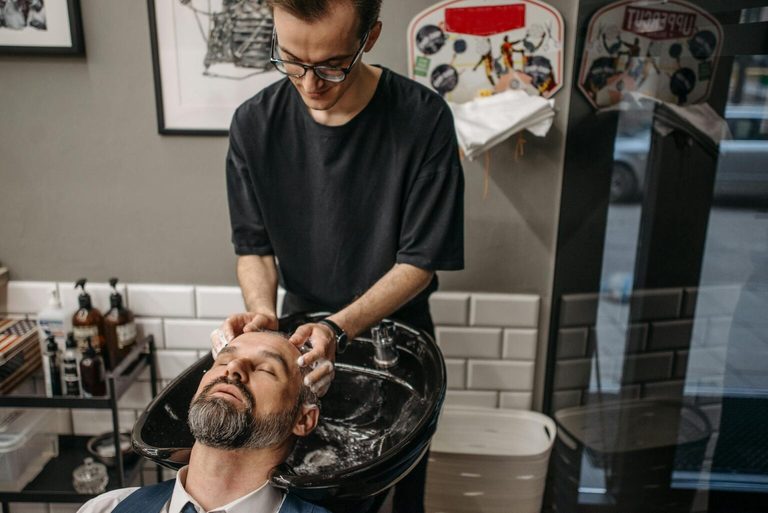
Especially in winter, it’s important for those suffering from a dry scalp to use a gentle, cleansing shampoo. This helps maintain the skin’s natural protective barrier of sebum, which prevents dryness. Additional products like a moisturizing conditioner, anti-dandruff tonic, or similar can further enhance your care routine. To find the perfect, ideal care products for winter, take the product quiz at M:ID , which provides personalized recommendations.
3. Adjust your diet.
Especially in winter, it’s important for your skin, and therefore your scalp, that you eat a balanced and healthy diet. During the dry season, you should provide your skin with sufficient fats. Unsaturated fats, which contain, for example, omega-3 or omega-6 fatty acids, are particularly important. Therefore, include plenty of nuts, flaxseeds, and fish products in your diet. Drinking plenty of fluids is also crucial: at least two liters a day, preferably water, will keep your skin looking fresh.
4. Rethink your hair styling.
To look stylish, your hair needs to look its best. Especially during periods of extreme weather, consider whether less is sometimes more. Hot air from a hairdryer, for example, can further irritate an already dry scalp. Even if you’re in a hurry in the morning, pat your hair dry with a towel and then blow-dry it on a low heat setting. If possible, let your hair air dry as long as possible after washing and then only blow-dry to remove the last bit of moisture. If you need styling products, look for those with conditioning properties. Using less gel and more hair wax or pomade will help to condition your hair and avoid further stressing your scalp. Use them sparingly.
5. Shower with less hot water
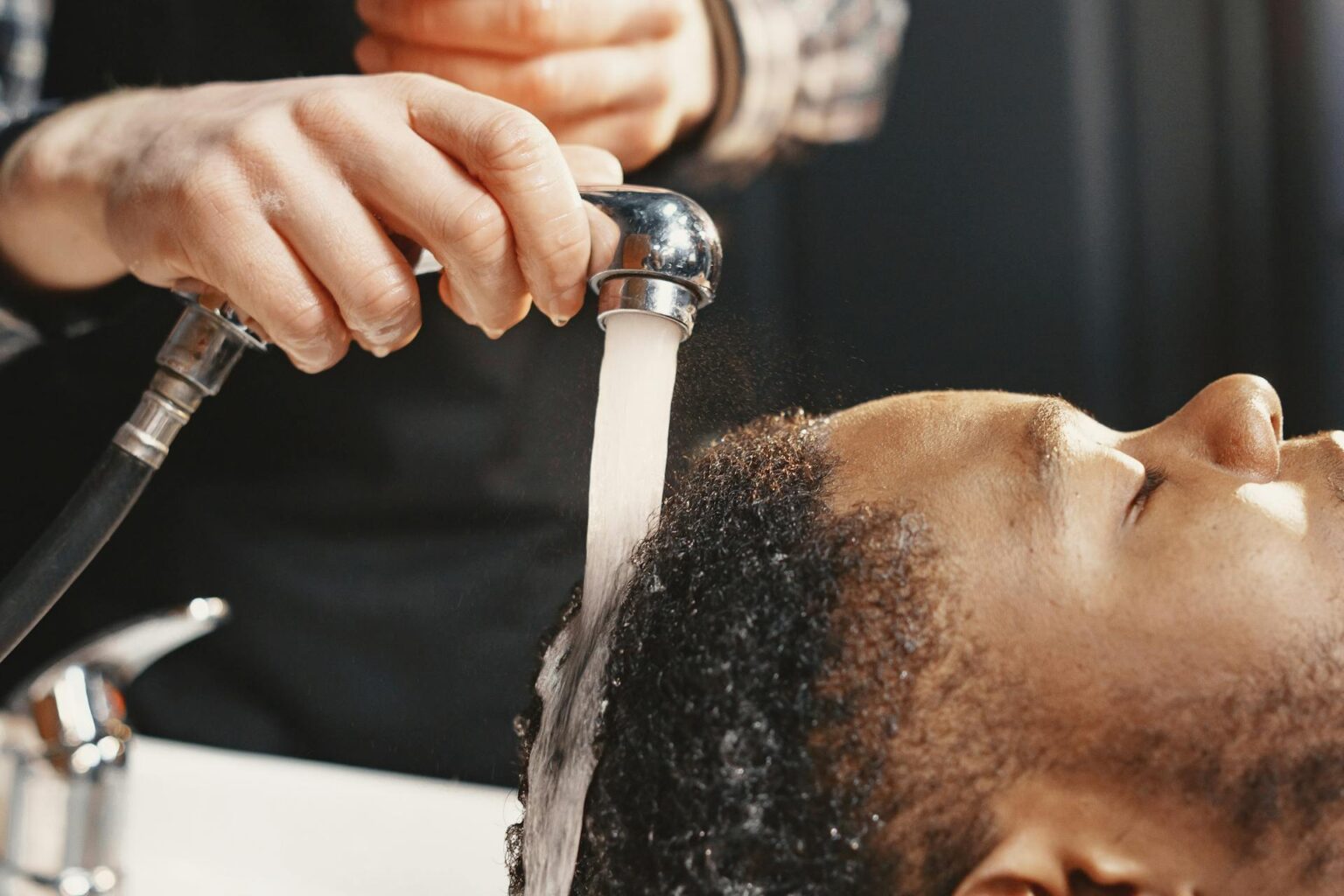
There’s hardly anything better than a hot shower on a freezing cold day. However, your scalp sees things differently and will promptly let you know if you let hot water run over it for too long. At least when washing your hair, you should turn down the temperature and only use lukewarm water. This way, the scalp’s natural, protective layer of oil remains intact, and your scalp won’t dry out so quickly.
6. Air out hats regularly
Wearing hats can also negatively affect the scalp. Continuously wearing a hat creates a microclimate on the scalp that promotes the growth of scalp microbes. These microbes thrive in the warm, moist environment, which is rich in nutrients like sebum. Unfortunately, the byproducts of this microbial growth irritate the scalp, causing itching and dandruff. Often, simply removing your hat regularly to “air out” your scalp is enough. If that doesn’t help, the M:ID (Medical Device Identification) may be the solution. Product quizzes help you find the right care (e.g., M:ID Anti-Dandruff Shampoo).
7. Check water hardness
Especially in large cities, tap water is often “hard,” meaning it contains a high concentration of calcium. Unfortunately, this calcium tends to build up on the scalp and in the hair. While the hair becomes rough and loses elasticity, the scalp dries out even more. You can check the water hardness on your water supplier’s website. If you have hard water, investing in a shower head filter and using our Soothing Care Tonic , which helps strengthen the scalp’s natural barrier function, might be worthwhile.
Is your main problem dandruff falling onto your shoulders? Then read more about dandruff here .
You can also find tips and tricks about men’s hair on our Instagram .
About the Author