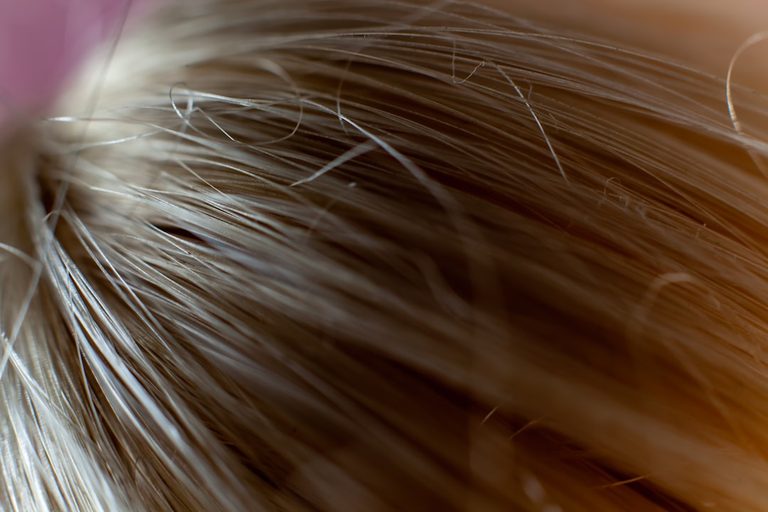


Does your hair feel thin, prone to breakage, or just generally lack its former vitality? You’re not alone. Many men experience weak and brittle hair, a frustrating issue that can affect confidence and how you present yourself. It’s more than just a bad hair day; it can signal underlying issues with your hair care routine, diet, or even your overall health.
The good news? Weak hair isn’t a life sentence. With the right approach and a deeper understanding of what your hair needs, you can transform it from fragile to strong. This guide will walk you through identifying the causes, understanding effective treatments, and adopting habits that build resilience from the root up. At Men ID, we’re dedicated to helping you achieve not just great hair, but also the confidence that comes with it. As a starting point, learning how to choose the right conditioner for your hair type is a fundamental step toward stronger strands.
Why is my hair so weak and fragile?
Your hair can become weak and fragile for a variety of reasons, ranging from daily styling habits to underlying health conditions. Common culprits include excessive heat styling, chemical treatments, harsh brushing, and nutritional deficiencies. Sometimes, it’s a combination of these factors wearing down your hair’s protective outer layer.
Think of your hair like a finely woven rope. Each strand has a cuticle, an outer layer of overlapping cells that protect the inner cortex. When these cuticles are damaged or lifted, the inner structure becomes exposed and vulnerable. This leads to dryness, frizz, and ultimately, breakage. Over-washing with harsh shampoos that strip natural oils can also play a significant role. Using products with sulfates, for example, can be particularly damaging, which is why we often highlight the benefits of sulfate-free shampoo for men.
Beyond external factors, internal issues such as stress, hormonal imbalances, and certain medical conditions can weaken hair. It’s a holistic system; what happens inside your body often shows up on the outside, including the health of your hair. Understanding these interconnected causes is the first step toward finding a lasting solution.
What deficiency causes brittle hair?
Several nutritional deficiencies can contribute to weak and brittle hair, as hair growth relies on a steady supply of vitamins, minerals, and proteins. Key deficiencies often linked to hair fragility include iron, zinc, biotin, and vitamins D and E. A lack of protein, the building block of hair, can also significantly weaken strands.
Iron deficiency, particularly in the form of anemia, is a well-known cause of hair thinning and brittleness. Iron is crucial for oxygen transport to hair follicles, and without enough oxygen, hair growth suffers. Zinc is essential for hair tissue growth and repair, playing a role in the oil glands around follicles. Biotin (Vitamin B7) is often touted for hair health, supporting keratin infrastructure. Beyond these, adequate protein intake is non-negotiable since hair is primarily made of keratin, a protein. Ensuring your diet includes these vital nutrients can make a considerable difference in hair strength.
How to strengthen weak and brittle hair at home
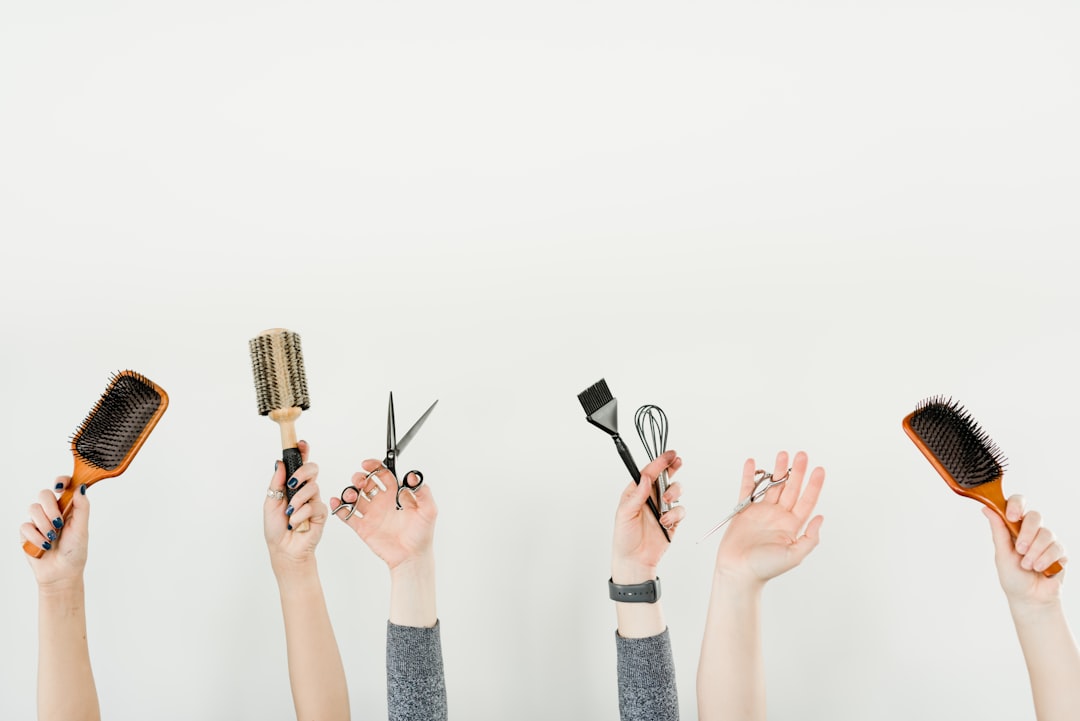
You don’t always need an expensive salon treatment to start improving hair health. Many effective strategies to strengthen weak and brittle hair can be implemented right at home. Focusing on gentle care, proper nutrition, and targeted product use can make a significant difference in your hair’s resilience.
- Re-evaluate Your Shampoo and Conditioner: Ditch harsh products. Look for shampoos and conditioners specifically designed for damaged or dry hair. They often contain nourishing ingredients like shea butter, argan oil, or keratin. Always follow shampoo with a good conditioner; it helps seal the hair cuticle and provides moisture.
- Deep Conditioning is Key: Incorporate a deep conditioning treatment or hair mask into your routine once or twice a week. These products deliver a concentrated dose of moisture and repair ingredients, penetrating deeper into the hair shaft.
- Limit Heat Styling: Heat is a major culprit for brittle hair. Reduce your use of blow dryers, straighteners, and curling irons. When you do use them, always apply a heat protectant spray beforehand to minimize damage.
- Brush Gently: Never brush wet hair vigorously, as it’s most vulnerable when wet. Use a wide-tooth comb or a soft-bristle brush, starting from the ends and working your way up. Avoid harsh tugging.
- Mind Your Diet: As Neville Goff often emphasizes on Men ID, “What you put into your body directly impacts the health of your hair.” Ensure your diet is rich in protein, healthy fats, vitamins (especially B vitamins, C, D, E), and minerals like iron and zinc. Foods like lean meats, fish, eggs, nuts, seeds, leafy greens, and berries are excellent choices.
- Regular Trims: While it seems counterintuitive, regular trims every 6-8 weeks help remove split ends, which can travel up the hair shaft and cause further damage. This keeps your hair looking healthier and encourages stronger growth.
Consistency is crucial with home treatments. You won’t see results overnight, but with dedication, you’ll notice a significant improvement in your hair’s texture and strength.
How does a hair salon help with brittle hair?
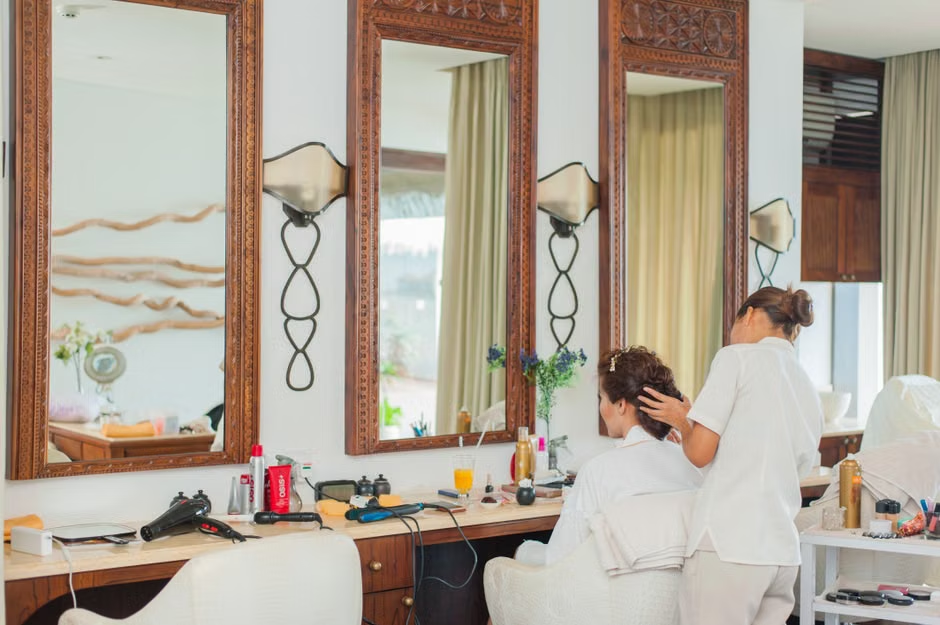
While many steps can be taken at home, a professional hair salon offers specialized treatments and expert advice that can significantly combat brittle hair. Stylists can assess your hair’s condition, identify specific issues, and recommend tailored solutions beyond what over-the-counter products can provide.
At a salon, you might receive deep conditioning treatments that use professional-grade formulas with higher concentrations of active ingredients like proteins, amino acids, and moisturizing agents. These treatments are often applied with heat to enhance penetration. Salons also offer bond-repairing treatments, which work on the internal structure of the hair to mend broken disulfide bonds, a common result of chemical processing and heat damage. According to the Mayo Clinic, environmental factors and certain hair care practices are frequent causes of brittle hair, which a professional can help mitigate with targeted solutions.
“For hair that’s severely brittle or damaged, a professional salon treatment can provide an intensive restorative boost that’s hard to replicate with home products alone. These treatments are often formulated with higher concentrations of active ingredients and applied with techniques to ensure maximum absorption and benefit.”
Moreover, stylists can advise on the best haircuts to remove damaged ends without sacrificing too much length, and provide guidance on appropriate styling tools and techniques to prevent future damage. They can also recommend professional-grade products for home use that align with your specific hair needs. Sometimes, addressing the issue requires expert eyes and hands.
When to seek professional help for brittle hair
While home remedies and salon treatments can do wonders, there are times when brittle hair signals a deeper issue that requires a doctor’s attention. If your hair fragility is sudden, severe, accompanied by other symptoms, or doesn’t improve with consistent care, it’s time to consult a healthcare professional. This is especially true if you suspect an underlying medical condition or nutritional deficiency.
Consider seeking medical advice if you experience any of the following:
- Sudden or Excessive Hair Loss: More than normal shedding can indicate issues like alopecia, thyroid problems, or stress-related telogen effluvium. We’ve discussed crown hair thinning in men and its early signs, which can sometimes accompany brittleness.
- Scalp Irritation: Persistent itching, redness, flaking, or sores on your scalp could be signs of fungal infections, eczema, or psoriasis that impact hair health.
- Unexplained Fatigue or Weight Changes: These symptoms, alongside brittle hair, might point to thyroid dysfunction, anemia, or other systemic health problems.
- Changes in Hair Texture and Growth: If your hair is not only brittle but also appears unusually fine, sparse, or fails to grow past a certain length, it warrants investigation.
- Recent Medication Changes: Some medications can have side effects that include hair changes. Discuss any concerns with your doctor.
“If brittle hair persists despite consistent at-home care and lifestyle adjustments, it may be indicative of an underlying medical condition. Consulting a dermatologist or physician is advisable to rule out deficiencies, hormonal imbalances, or other health issues affecting hair strength.”
A doctor can perform blood tests to check for nutritional deficiencies (like iron, vitamin D, or thyroid function) and diagnose any underlying conditions. Sometimes, a dermatologist specializing in hair and scalp disorders can offer the most targeted advice and treatment. Remember, your hair’s health is often a mirror of your internal health.
What to expect from strengthening treatments and when you’ll see results
Embarking on a journey to strengthen weak and brittle hair requires patience and consistency. You won’t see dramatic results overnight, but with the right approach, improvements are definitely achievable. What you can expect, and how quickly, largely depends on the cause of your hair’s fragility and the treatments you’re employing.
Typically, you might start noticing subtle changes in hair texture and a reduction in breakage within 4-6 weeks. This could mean your hair feels softer, looks a bit shinier, and sheds less. Significant improvements in strength and overall health usually take 3-6 months. This timeline aligns with the natural hair growth cycle; it takes time for new, healthier hair to grow in and for existing damaged hair to be adequately repaired or replaced. For those wondering about the efficacy of various interventions, we’ve explored the question of whether hair growth supplements actually work, emphasizing the importance of realistic expectations.
If you’re addressing nutritional deficiencies, it might take a few months for your body’s levels to normalize and for new, stronger hair to emerge. Similarly, if you’ve eliminated harsh styling practices, it will take time for existing damage to grow out and for new, healthier hair to take its place. Consistency with gentle handling, targeted conditioning, and a nutrient-rich diet is key. Stick with your chosen regimen, and monitor your hair’s progress. Little by little, you’ll reclaim stronger, more resilient strands.
Strengthening weak and brittle hair is a marathon, not a sprint. It demands attention to your hair care routine, your diet, and sometimes, a candid conversation with your doctor. By understanding the root causes and committing to a consistent, gentle approach, you can restore your hair’s vitality and strength. Embrace the process, and you’ll not only see healthier hair but also gain greater confidence in your overall appearance. Your hair is an important part of your identity, and taking care of it is a vital step in your personal development journey.
About the Author