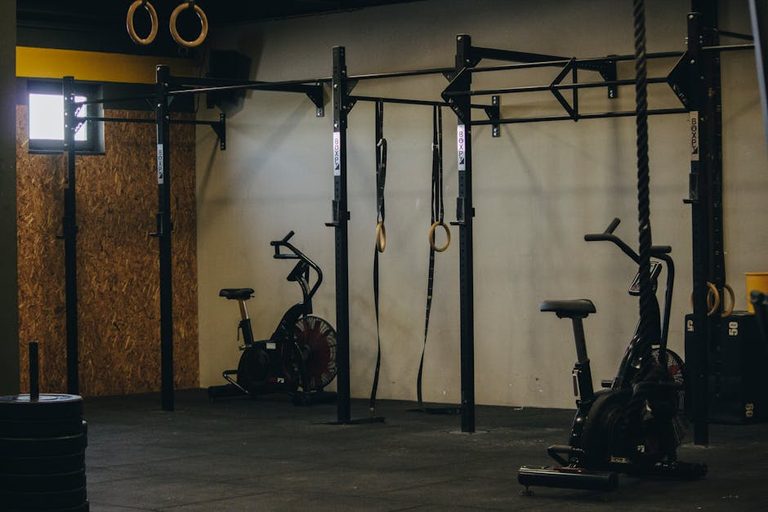


Feeling like you’ve hit a wall, physically or mentally? Many men recognize the need to build physical strength, not just for aesthetics, but for the resilience it brings to every part of life. It’s more than just lifting weights; it’s about cultivating discipline, boosting confidence, and creating a robust foundation for your overall well-being.
You might be wondering where to start, or perhaps you’ve tried different routines without seeing consistent progress. The journey to a stronger, more capable self can feel overwhelming, especially with so much conflicting information out there. That’s why we’re here to cut through the noise and provide a clear, actionable path.
At Men ID, we believe a strong body supports a strong mind, contributing to success in all your endeavors, from career advancement to personal relationships. This guide is your starting point, designed to demystify strength training and equip you with the knowledge to begin transforming your body and, by extension, your life. For more insights on balancing physical health with other aspects of your life, check out The Modern Man’s Guide to Health, Work, and Balance.
Understanding Strength Training: The Foundation
What exactly is strength training? Simply put, it’s any physical exercise that uses resistance to build muscle, strength, and endurance. This resistance can come from your own body weight, free weights, resistance bands, or machines. The goal isn’t just bigger muscles; it’s about making your muscles work harder, leading to adaptations that improve overall bodily function and resilience.
Many men focus solely on heavy lifting, but true strength training encompasses a broader range of exercises designed to challenge your muscles progressively. This progressive overload is crucial for continued growth and adaptation. It tells your body it needs to get stronger to meet the demands you’re placing on it.
“Strength training is a critical component of overall health for everyone, helping to build strong bones, manage weight, and improve quality of life. For men, it can also play a significant role in hormone regulation and reducing age-related muscle loss.”
In our practice at Men ID, we’ve seen firsthand how men who commit to consistent strength training not only improve their physical physique but also experience a noticeable boost in mental clarity and self-efficacy. It’s a powerful tool for self-improvement.
How Does Strength Training Work?
Strength training works by creating microscopic tears in your muscle fibers. During rest, your body repairs these tears, making the muscle fibers thicker and stronger. This process is called muscle hypertrophy. For this to happen effectively, you need adequate nutrition, especially protein, and sufficient rest.
The principle of progressive overload is key. You can achieve this by gradually increasing the weight you lift, the number of repetitions, the number of sets, or by reducing rest times between sets. Neville Goff, the primary voice behind Men ID, often emphasizes that consistency and a gradual increase in challenge are far more effective than sporadic, high-intensity bursts.

Your nervous system also plays a vital role. As you train, your brain becomes more efficient at recruiting muscle fibers, allowing you to lift heavier loads even before significant muscle growth occurs. This neurological adaptation is part of why beginners often see rapid strength gains in their first few weeks, as detailed by research from institutions like the National Institutes of Health (NIH) on neuromuscular adaptation in exercise training.
What Does a 3-Day Weight Training Program for Beginners Look Like?
A 3-day full-body weight training program is an excellent starting point for beginners, allowing sufficient recovery time between sessions while hitting all major muscle groups. You’ll typically train on non-consecutive days, for example, Monday, Wednesday, and Friday, with rest days in between. This structure prevents overtraining and promotes optimal muscle growth and recovery.
This type of program usually involves compound movements that work multiple joints and muscle groups simultaneously, like squats, deadlifts, presses, and rows. Focusing on these foundational exercises builds a solid base of strength and coordination, which is crucial before moving on to more isolated movements. It’s about efficiency and effectiveness for maximum beginner impact.
Sample 3-Day Beginner Full-Body Routine
Here’s a typical split for a 3-day program. Remember to warm up for 5-10 minutes with light cardio and dynamic stretches before each workout, and cool down with static stretches afterward.
- **Workout A (e.g., Monday):**
- Barbell Squats: 3 sets of 8-12 reps
- Dumbbell Bench Press: 3 sets of 8-12 reps
- Bent-Over Dumbbell Rows: 3 sets of 8-12 reps
- Overhead Dumbbell Press: 3 sets of 8-12 reps
- Plank: 3 sets, hold for 30-60 seconds
- **Workout B (e.g., Wednesday):**
- Deadlifts (or Romanian Deadlifts if conventional feels too complex initially): 3 sets of 6-10 reps
- Push-ups (on knees if needed): 3 sets to failure or 8-12 reps
- Dumbbell Lunges: 3 sets of 8-12 reps per leg
- Lat Pulldowns (if at gym) or Resistance Band Pull-Aparts: 3 sets of 10-15 reps
- Russian Twists: 3 sets of 15-20 reps per side
- **Workout C (e.g., Friday):**
- Goblet Squats: 3 sets of 10-15 reps
- Incline Dumbbell Press: 3 sets of 8-12 reps
- Single-Arm Dumbbell Rows: 3 sets of 8-12 reps per arm
- Lateral Raises: 3 sets of 12-15 reps
- Leg Raises: 3 sets of 15-20 reps
Rest for 60-90 seconds between sets. If you can complete all reps easily, it’s time to slightly increase the weight for the next session. This is how you apply progressive overload and ensure continuous improvement.
What Should a Beginner At-Home Weight Lifting Routine Include?
An effective at-home weight lifting routine for beginners should prioritize full-body movements using minimal equipment like dumbbells, resistance bands, and your own body weight. Focus on proper form over heavy weight, building a foundation of strength and movement patterns before adding significant external load. Consistency is your most powerful tool here.
You don’t need a fancy gym membership to start building strength. Many effective exercises can be done with just a few pieces of affordable equipment. The key is to be creative and consistent. We often remind our readers at Men ID that the best workout is the one you actually do.
Essential At-Home Exercises for Men
When you’re building an at-home routine, think about exercises that engage major muscle groups:
- **Bodyweight Squats:** Stand with feet shoulder-width apart, lower your hips as if sitting in a chair, keeping your chest up.
- **Push-ups:** Start on your hands and knees, then move to your toes (or stay on knees for modification). Lower your chest toward the floor, then push back up.
- **Dumbbell Rows:** Hinge at your hips, back flat, with a dumbbell in one hand. Pull the dumbbell towards your hip, squeezing your shoulder blade.
- **Dumbbell Lunges:** Step forward with one leg, lowering your hips until both knees are bent at a 90-degree angle. Push back to the start.
- **Overhead Presses (with dumbbells or resistance bands):** Press weights straight up overhead from shoulder height.
- **Plank:** Hold your body in a straight line from head to heels, supported on your forearms and toes.
- **Glute Bridges:** Lie on your back, knees bent, feet flat. Lift your hips off the floor until your body forms a straight line from shoulders to knees.
These exercises cover your legs, chest, back, shoulders, and core, providing a comprehensive workout with minimal equipment. Remember, slow and controlled movements are better than fast, sloppy ones.
What Are the Benefits of Strength Training for Men?
Beyond building visible muscle, strength training offers a multitude of benefits that impact your physical and mental health. It’s a fundamental pillar of wellness that supports a high-performance lifestyle.
Here’s what you can expect when you commit to a strength training regimen:
- **Increased Muscle Mass and Strength:** This is the most obvious benefit, making everyday tasks easier and improving athletic performance.
- **Improved Bone Density:** Lifting weights places stress on your bones, encouraging them to become stronger and denser, which is crucial as you age.
- **Better Metabolism and Weight Management:** Muscle tissue burns more calories at rest than fat tissue, helping you maintain a healthy weight and body composition.
- **Enhanced Cardiovascular Health:** While not purely cardio, strength training can improve heart health by reducing blood pressure and improving cholesterol levels.
- **Improved Mood and Reduced Stress:** Exercise, including strength training, releases endorphins, natural mood elevators that can help combat stress and anxiety.
- **Better Sleep Quality:** Regular physical activity helps regulate your sleep cycle, leading to deeper, more restorative sleep.
- **Increased Confidence and Self-Esteem:** Achieving physical goals directly translates into a stronger belief in your capabilities, impacting all areas of your life.
Many of these benefits are interconnected. For example, improved metabolism not only aids in weight management but also contributes to better energy levels throughout the day, which is essential for personal development and productivity. This comprehensive improvement reflects Men ID’s holistic approach to men’s well-being.
Is Strength Training Right For Every Man? (And What Are the Alternatives?)
Strength training offers significant benefits, but it’s not a one-size-fits-all solution, and it might not be the absolute best starting point for every man. Men with pre-existing injuries, certain medical conditions, or those who find high-impact exercise uncomfortable may need alternative approaches or professional guidance. Always consult with a healthcare professional before starting any new exercise program, especially if you have underlying health concerns.
For some, starting with gentler forms of movement might be more appropriate. Options include:
- **Yoga or Pilates:** Excellent for building core strength, flexibility, and body awareness without heavy weights. These can also be great complements to a weight training routine.
- **Calisthenics/Bodyweight Training:** Utilizes your own body weight for resistance, highly effective for building functional strength and can be done anywhere. Think push-ups, pull-ups, squats, and dips.
- **Swimming or Cycling:** While primarily cardiovascular, these can build muscle endurance and strength, especially in the legs and core, with less impact on joints.
- **Physical Therapy:** For those recovering from injury or with specific movement limitations, a tailored program from a physiotherapist is crucial to build foundational strength safely.
The goal is to find an activity you can stick with consistently. Even improving your general activity levels and getting more steps in can make a huge difference. Sometimes, a simpler approach focusing on movement, nutrition, and even stress management—like managing your hair health with quality products that protect and strengthen—can set the stage for more intensive training down the road. You can learn more about protecting your hair and scalp by exploring options like those found in Best Natural Ingredients for Men’s Hair Thickness.
“While strength training is highly beneficial, a balanced fitness regimen that includes flexibility, cardiovascular fitness, and rest is crucial for holistic health. Men shouldn’t feel pressured to lift heavy if their bodies or preferences lean towards other forms of physical activity that still promote strength and wellness.”
What Realistic Results Can You Expect, and When?
When you start a strength training program, don’t expect overnight transformations. Building muscle and strength is a gradual process that requires patience and consistency. However, you can expect to feel and see changes relatively quickly if you stick with it.
Within the first 4-6 weeks, many beginners experience significant improvements in strength. This is largely due to neuromuscular adaptations—your brain getting better at telling your muscles how to work. You’ll likely notice exercises becoming easier, and you might be able to lift slightly heavier weights or perform more reps. Visible muscle growth (hypertrophy) typically becomes noticeable after 8-12 weeks of consistent training, coupled with proper nutrition and rest. This is a realistic timeline for men building a new foundation.
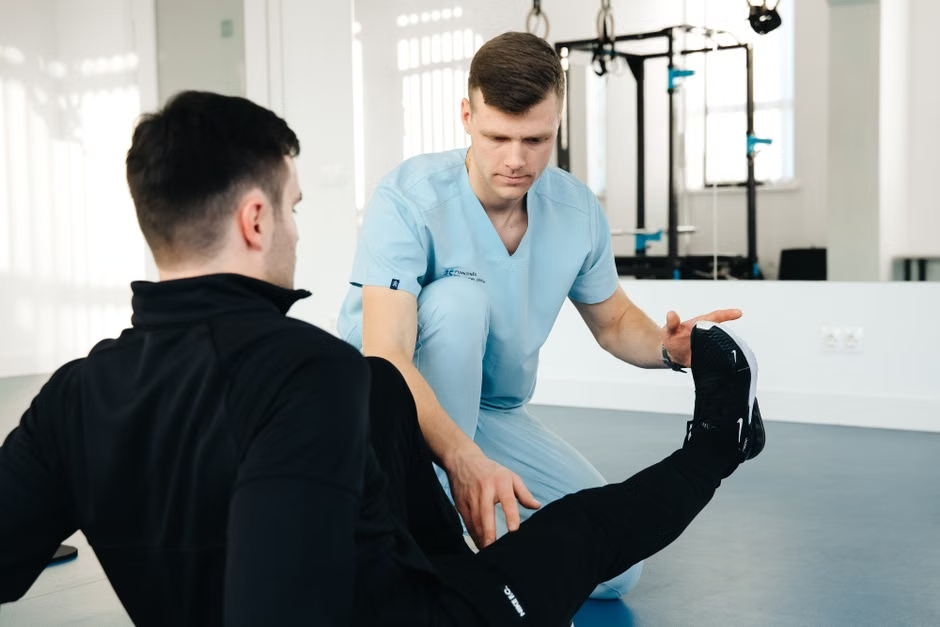
Long-term, consistent strength training can lead to substantial changes in body composition, increased energy levels, improved posture, and a greater sense of well-being. The journey is continuous; as your body adapts, you’ll need to continue challenging it to see further progress. Remember that your results will be unique to you, influenced by genetics, diet, sleep, and overall lifestyle. Focus on progress, not perfection.
Practical Tips for Your Strength Training Journey
Starting a new routine can feel daunting, but a few key practices can make your strength training journey smoother and more effective. Integrate these tips into your regimen for optimal results.
- **Prioritize Form Over Weight:** Always perform exercises with correct technique. Poor form can lead to injury and less effective muscle engagement. It’s better to lift lighter with perfect form than heavier with sloppy movements.
- **Warm-Up and Cool-Down:** Never skip your warm-up (light cardio, dynamic stretches) before a workout and your cool-down (static stretches) afterward. This prepares your body for exertion and aids in recovery.
- **Listen to Your Body:** Some muscle soreness is normal, especially when starting. However, sharp pain is a warning sign. Don’t push through pain. Rest, recover, and consider modifying exercises if needed.
- **Fuel Your Body Properly:** Your muscles need fuel to perform and recover. Ensure you’re eating enough protein, complex carbohydrates, and healthy fats. Hydration is also crucial.
- **Get Adequate Sleep:** Muscle repair and growth primarily happen during sleep. Aim for 7-9 hours of quality sleep each night to support your training efforts.
- **Track Your Progress:** Keep a log of your exercises, sets, reps, and weights. Seeing your progress over time is incredibly motivating and helps you apply progressive overload effectively.
Embracing strength training is a powerful step towards a more capable and confident you. It’s a commitment to self-improvement that extends far beyond the gym, impacting your mental toughness, your resilience, and your overall health. By following this guide and staying consistent, you’re not just building muscle; you’re building a stronger foundation for every aspect of your life. Make the choice to invest in yourself today, and unlock the strength you didn’t know you had. If you’re looking for more ways to enhance your overall self-care, explore the full range of resources and products available on Men ID.
About the Author