
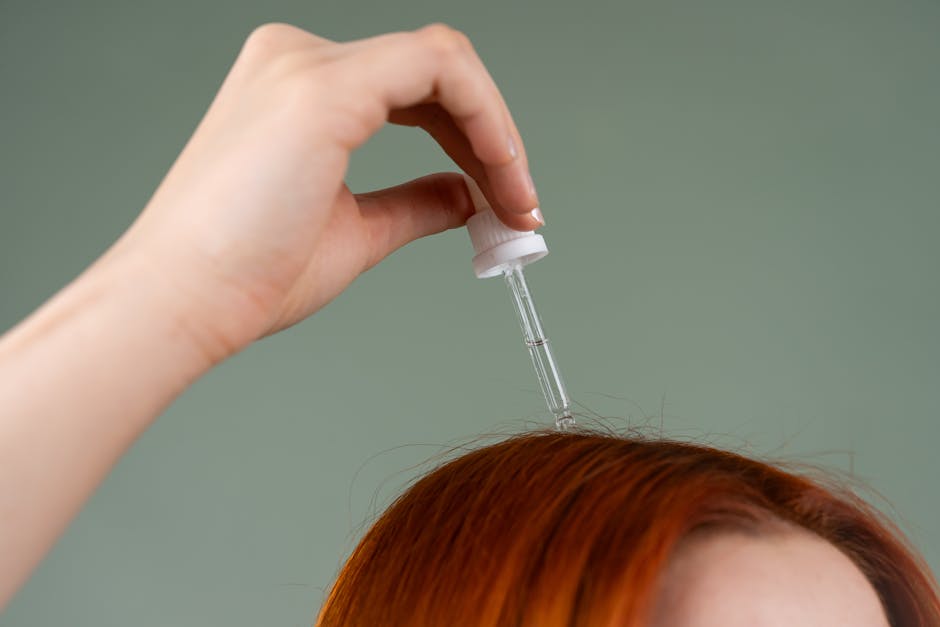
Your hair is telling you something. The question is whether you’re listening. If your strands feel like wet noodles one week and snapping straw the next, you’re not imagining it. You’re experiencing what happens when the protein-moisture balance in your hair goes sideways, and most men have no idea which direction they’ve drifted.
This isn’t a niche concern for women with curly hair routines. Men deal with this constantly, whether from heat styling, hard water, chemical treatments, or just neglecting the scalp entirely. The good news is that your hair is giving you clear signals. Once you know how to read them, fixing the problem gets a lot simpler.
At Men-id.com, we’ve built our entire product line around the idea that men deserve real, honest guidance on hair health without the fluff. Understanding the protein-moisture balance is one of the most foundational things you can learn, and it changes how you shop, how you treat your scalp, and how you approach hair loss treatment before problems get worse.
What Is the Protein-Moisture Balance, and Why Does It Matter?
Hair is roughly 95% keratin, a structural protein that forms the cortex and outer cuticle layer of each strand. Research published in PubMed confirms that the integrity of this keratin matrix determines how elastic, strong, and resistant to breakage your hair is. Moisture, on the other hand, refers to water content and the lipids that keep the cuticle sealed so water doesn’t escape. Both are essential. Neither works without the other.
Think of it like a building. Protein is the steel frame. Moisture is the insulation and cladding. Too much steel without insulation and the structure is rigid and brittle. Too much insulation without a frame and it collapses. Your hair works exactly the same way. When protein is high and moisture is low, strands get stiff and snap. When moisture is high but protein is depleted, strands stretch too far and break.
“Hair fiber is composed of approximately 65 to 95 percent proteins, primarily alpha-keratin, and the balance between structural proteins and moisture determines tensile strength and elasticity.”
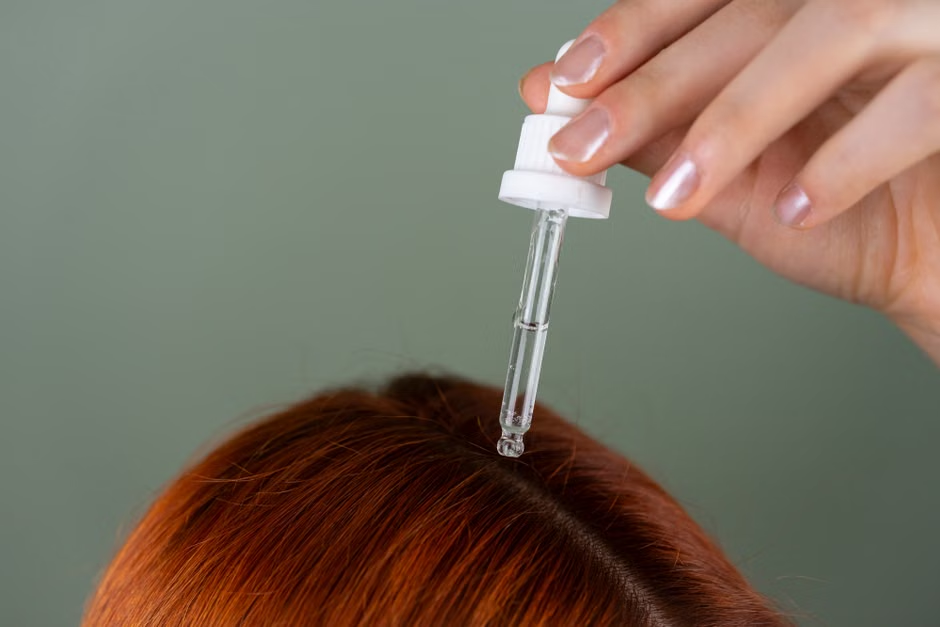
How to Know If Your Hair Needs More Protein or Moisture?
The fastest diagnostic is a simple stretch test. Take a single wet strand and pull it slowly from both ends. If it stretches a little and springs back, your balance is good. If it snaps immediately with almost no give, you’re protein-overloaded or moisture-depleted. If it stretches far, feels mushy, and doesn’t return to shape, you need protein. That’s your baseline read.
Beyond the stretch test, texture tells a story. Hair that feels gummy when wet, looks limp, or loses its shape quickly after styling usually needs protein. Hair that feels rough, looks dull, tangles aggressively, or has a lot of flyaways is screaming for moisture. These signals often coexist, which is why so many men swing too hard in one direction and make things worse.
The stretch test works for all hair types, but if you have fine or straight hair, the results are more exaggerated. Fine hair shows protein overload fast because each strand has less mass to work with. If you’ve added a protein treatment and your hair went from limp to wiry overnight, that’s protein overload. Back off and deep condition.
What Are 5 Signs You Need More Protein?
Protein deficiency doesn’t always look dramatic. Sometimes it’s subtle enough that most men chalk it up to “bad hair days.” Here are the clearest signals that your strands are running low on structural support.
- Excessive elasticity: Wet hair that stretches like a rubber band and doesn’t bounce back is classic low-protein. The cortex has lost its scaffolding.
- Mushy or gummy texture when wet: Healthy wet hair feels slick but firm. Mushy, soft, or paste-like texture means the protein structure is compromised.
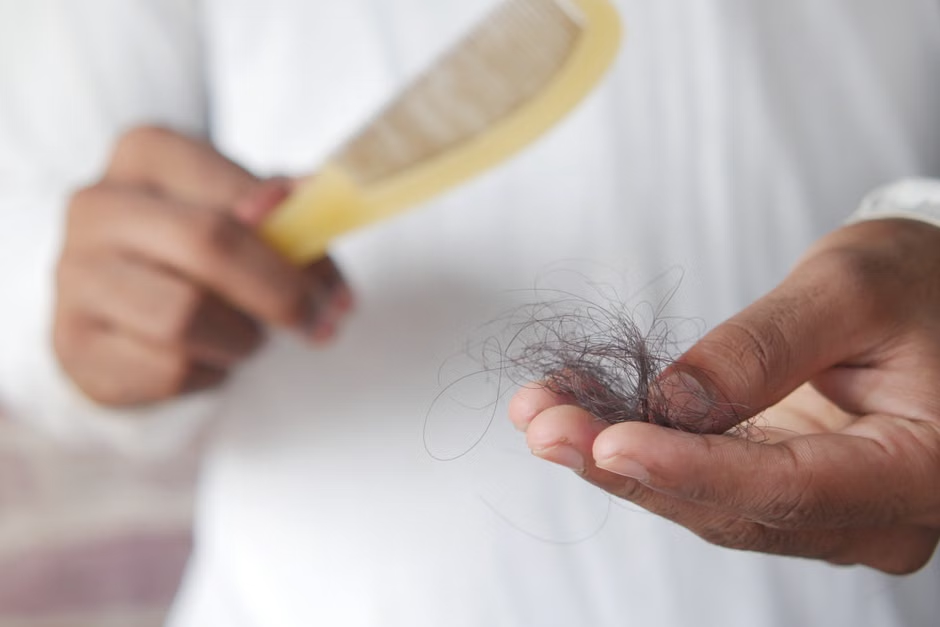
- Increased breakage after normal combing: If you’re leaving more hair in the comb than usual without any other changes, protein depletion is a likely cause.
- Loss of curl definition or wave pattern: For men with any natural texture, low protein often shows up as waves or curls that fall flat quickly after washing.
- Hair that won’t hold a style: If product isn’t doing what it used to, your strands may lack the internal structure to cooperate.
Chemical processing, heat styling, UV exposure, and even frequent washing can all strip keratin over time. The Cleveland Clinic notes that environmental and chemical stressors are among the leading contributors to structural hair damage in men, which often precedes visible hair loss. Getting ahead of protein depletion is part of any solid hair loss treatment strategy.
How to Tell If Your Hair Needs Moisture or Hydration?
Dehydrated hair feels different from protein-starved hair. Where protein-deficient strands are soft and limp, moisture-starved strands are rough, rigid, and uncooperative. Run your fingers down a dry strand. If it feels like sandpaper, catches on your skin, or breaks without stretching at all, you’re looking at moisture deficiency, not a protein problem.
Other clear signs your hair is thirsty.
- Chronic frizz that doesn’t respond to styling products
- Hair that looks dull, not shiny, even after washing
- A dry, tight feeling at the scalp
- Tangles that form almost immediately after detangling
- Ends that look frayed or split more than usual
- Hair that shrinks dramatically when wet but won’t elongate
Porosity plays a big role here. High-porosity hair, where the cuticle is raised or damaged, loses moisture fast. It absorbs water quickly but can’t retain it. Low-porosity hair, where the cuticle is tightly sealed, repels moisture and needs heat or steam to open up and let hydration in. Knowing your porosity tells you how to apply moisture, not just whether you need it.
Does Frizzy Hair Need Protein or Moisture?
Frizz is almost always a moisture signal. When the cuticle layer is raised, it roughens the strand’s surface and allows humidity to enter unevenly, which causes swelling and the classic frizzed-out look. A good moisturizing conditioner or leave-in treatment that seals the cuticle usually solves it. But here’s the nuance most guides skip: if the frizz appears after a protein treatment, you’ve overdone it. Protein stiffens the cuticle. Too much stiffening disrupts the cuticle’s ability to lay flat, which paradoxically creates frizz.
So if you just did a protein mask and your hair got frizzy, you don’t need more protein. You need a deep moisture treatment to balance it out. This is exactly why alternating protein and moisture treatments, rather than stacking one on top of the other, is the standard recommendation from professional stylists. Most men need a moisture treatment two to three times more often than a protein treatment.
“Maintaining the integrity of the hair fiber requires both sufficient protein content and adequate hydration. An imbalance in either direction alters mechanical properties and leads to breakage, brittleness, or loss of elasticity.”
One important point for men considering commercial hair salon treatments: not all keratin or smoothing treatments add structural protein. Some simply coat the strand temporarily. If you’re spending money at a hair salon on keratin services, ask whether the formula penetrates the cortex or just coats the cuticle. The distinction matters for how long results last and whether you still need to supplement protein at home.
What to Expect When You Rebalance Protein and Moisture
Results don’t happen in one wash. Expect this general timeline.
Week 1: Texture begins to shift. If you were moisture-deficient, hair starts feeling less rough within two to three washes. If you were protein-deficient, you’ll notice less stretch and more snap-back when wet.
Weeks 2 to 4: Breakage slows. You’ll see fewer hairs in your comb or shower drain. Scalp health often improves alongside strand health because a balanced routine usually means less harsh product use overall.
Month 2 and beyond: Consistent balance shows up as shine, manageability, and better volume. This is also when you’ll have a real baseline to adjust from. Some men discover they need more protein in winter when dry indoor air pulls moisture from the strand, and more moisture in summer when UV exposure degrades keratin faster. Neville Goff has written about this seasonal adjustment approach at Men-id.com, where hair health is treated as an ongoing practice, not a one-time fix.
6 Practical Tips to Maintain the Balance
- Do the wet stretch test monthly. It takes thirty seconds and tells you more than any product label will.
- Alternate your treatments. Follow every protein treatment with a moisture treatment in the next wash. Don’t stack them.
- Read ingredient lists. Look for hydrolyzed keratin, wheat protein, or silk protein for protein treatments. Look for glycerin, aloe vera, shea butter, and panthenol for moisture.
- Use heat protectant every time. Heat degrades both keratin and moisture retention. Skipping protectant is one of the fastest ways to throw the balance off.
- Don’t over-wash. Washing daily strips both moisture and natural scalp oils. Two to three times a week is the sweet spot for most men.
- Adjust by season. Winter calls for heavier moisture. Summer, especially with sun exposure, may call for more frequent protein support.
The bigger picture here is that hair care for men isn’t complicated. It just requires paying attention. The Men-id.com product range was built with full ingredient transparency, including complete INCI names on every label, so you always know exactly what you’re putting on your scalp and why. That kind of specificity matters when you’re trying to troubleshoot a real imbalance rather than just buying whatever’s on sale.
Stop guessing and start reading your hair. The signals are there every time you wet your strands or run a comb through them. Once you understand what protein deficiency feels like versus moisture deficiency, you stop cycling through random products and start making decisions that actually move the needle. Your scalp health, your hair density, and your overall confidence in how you present yourself, they’re all connected. Build the habit now and your hair will show you the difference.
About the Author